Written by: Annie Shi
Daggerheart is a narrative-forward tabletop roleplaying game (TTRPG) built around character bonds, emotional stakes, and collaborative storytelling. It prides itself on giving GMs structure without rigidity, and players meaningful choices that shape the world around them.
To help GMs and players get started with their campaigns, Daggerheart uses something called campaign frames, which are focused starting points that define the tone, pressures, and themes of your story.
What Are Daggerheart Campaign Frames?
Campaign frames are essentially the thematic foundations of an adventure. Each one gives you a clear starting premise, the kinds of conflicts that the story will revolve around, and the tone you’re aiming for from Session One. They’ll also come with practical GM support, such as Session Zero prompts, setting details, principles, and unique mechanics, so you’re not building a whole adventure from scratch.
Using Battlemaps for Daggerheart
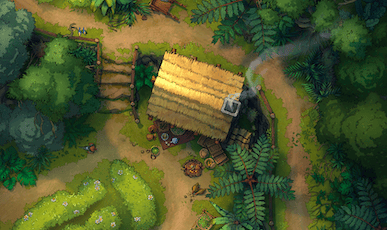
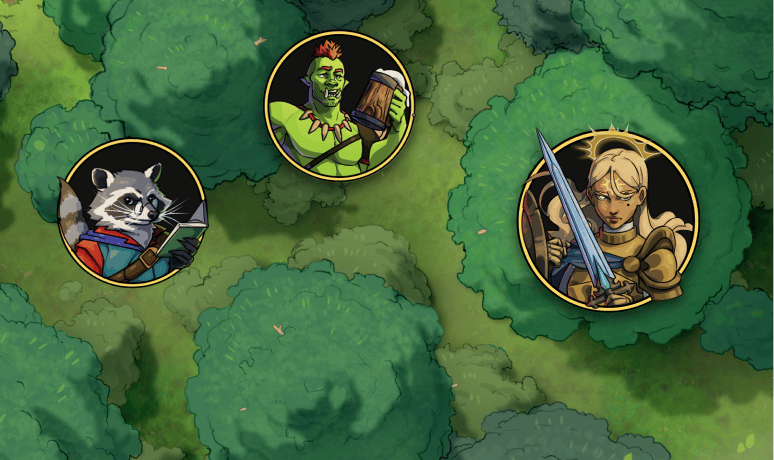
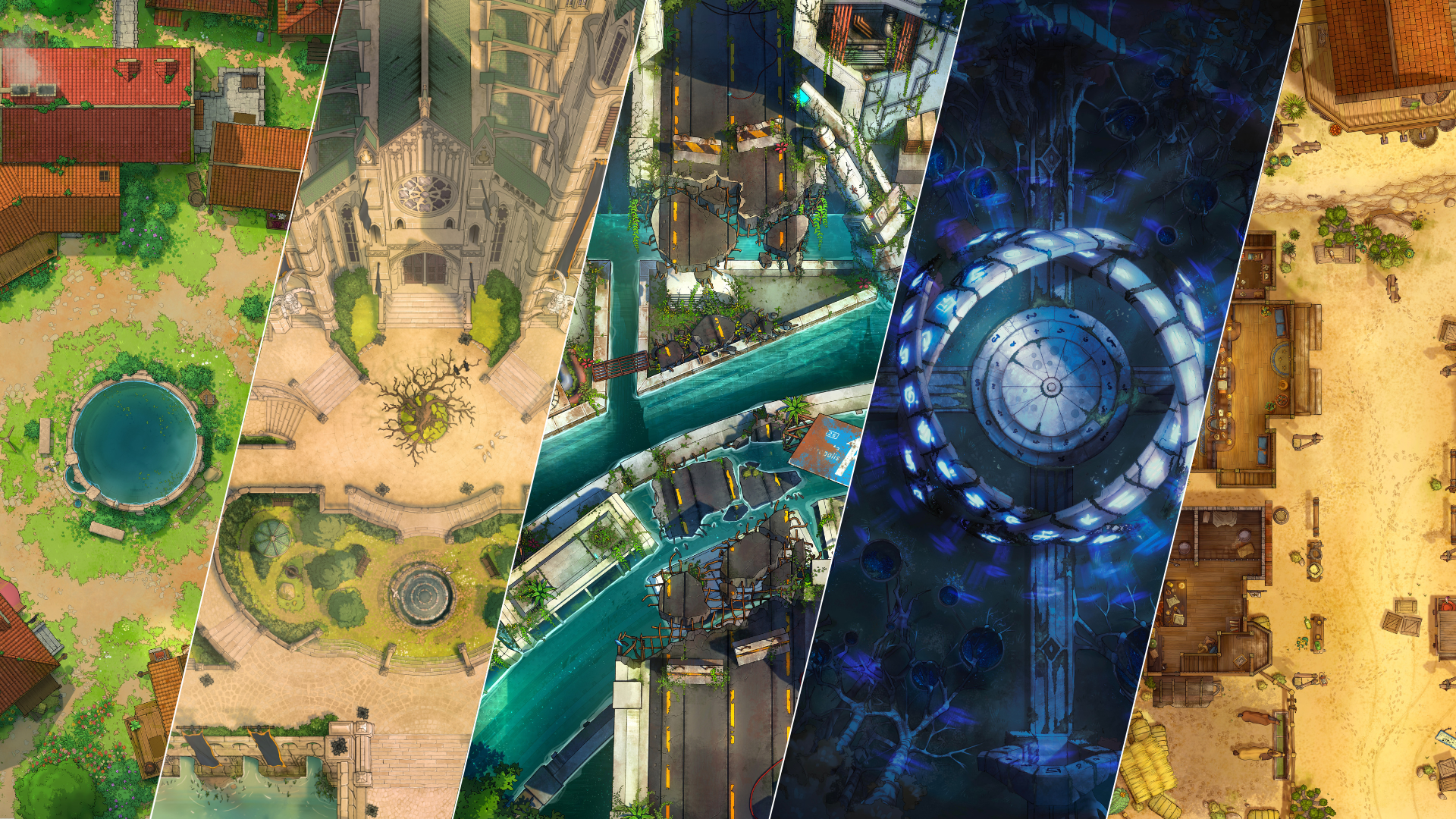
Because campaign frames are so tone-driven, battlemaps pull extra weight in Daggerheart. A good battlemap doesn’t just provide a grid for combat—it should help sell the frame’s identity: the Witherwild should look beautiful and dangerous; Five Banners Burning needs halls, streets, and borderlands that feel politically charged; and Beast Feast should bounce between cozy camp cooking and unsettling monster lairs.
Strong maps also make it easier to run cinematic scenes: tense social encounters across a banquet table, sweeping travel through breathtaking but dangerous terrain, and explosive set-piece fights when the final boss steps into view. And on a practical level, a striking visual always earns a few genuine “whoa” moments from the table—while making your prep easier, since the space itself does some of the storytelling for you.
Daggerheart Campaign Frames
The Witherwild
A world scarred by a divine death, where corruption spreads through land and flesh alike.
The Fanewick was once an abundant and thriving land—until Havenites slew a god, and its body birthed a spreading blight. Desperate to grow a cure, the people turned on the divinity that governed the wilds, taking out its eye and forcing the land into eternal spring. Instead, growth ran unchecked, and the Witherwild was born. In this campaign, players play unlikely heroes from humble beginnings, rising to protect humanity from a corruption born of imbalance and hubris.
Campaign mechanics include Wither tokens that represent physical and spiritual corruption that permanently scar and transform characters over time.
Five Banners Burning
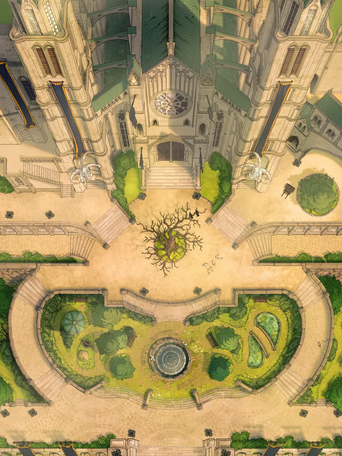
A continent balanced on fragile peace, where war threatens to reignite at any moment.
Five years after a devastating decade-long war ended in an armistice, the five nations of Althas maneuver through alliances, sabotage, and political games as tensions steadily rise again. In this campaign, players play heroes caught in an escalating struggle between unique rival powers, navigating divided loyalties and generational grudges.
This campaign frame revolves around dynamic faction play: each of the five nations has tracked relationship ratings from Close Allies to Nemeses, distinct assets and problems, and long-term objectives represented by countdown clocks. Each in-game week sees nations advancing major and minor objectives, shifting alliances, gaining advantage, or destabilizing rivals—often with the party supporting or sabotaging these efforts.
The Age of Umbra
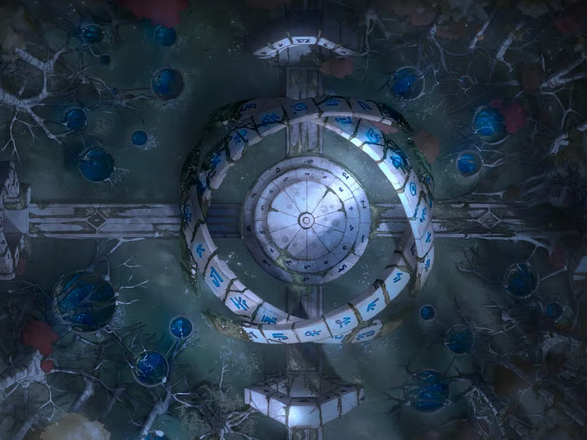
A cursed realm abandoned by the gods, where survivors defend the last sparks of hope.
A century ago, God-King Othedias betrayed the Pantheon, provoking divine punishment that shattered the Halcyon Domain and left it choked in shadow. In this campaign, players play survivors who protect their communities from monstrous horrors, venture into lightless ruins, and search for a way to break the curse of darkness gripping their world.
The campaign frame introduces numerous mechanics for darkness and corruption: enemies and PCs can become Umbra-touched, gaining power as scars accumulate, but risking surrender to the darkness. Safety exists only within areas with Sacred Pyres, while resting beyond the light triggers rolls on the Lurking Darkness table.
Beast Feast
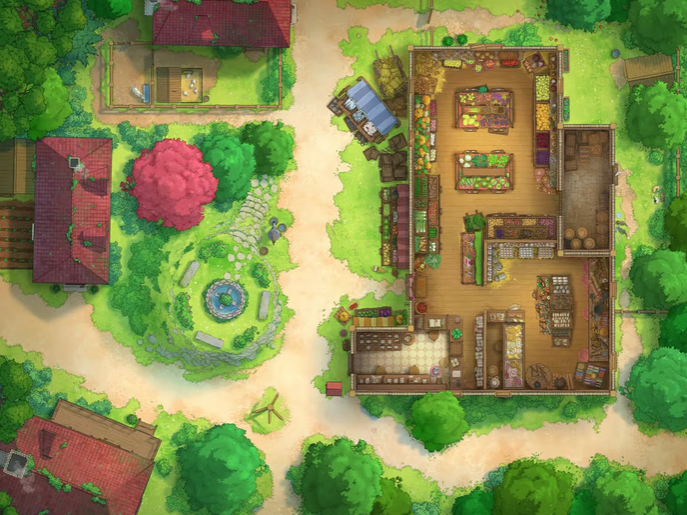
Local adventurers must become hunters when the magic protecting the world begins to fail.
The peaceful village of Elmore sits above the Plover Caves, long protected by a magical lure that draws dangerous creatures underground. When that magic begins to fade, the bravest of villagers must descend into the caverns to reignite it—hunting the beasts they encounter and turning them into meals along the way.
The campaign frame replaces standard downtime recovery and crafting with a collaborative cooking system: characters start with improvised village tools and hunt monsters to harvest flavor-profiled ingredients, and record recipes in a shared physical cookbook. During downtime, the party can roll flavor dice and match results to create a meal, dividing the meal’s rating to recover HP, clear stress, and gain hope.
Colossus of the Drylands
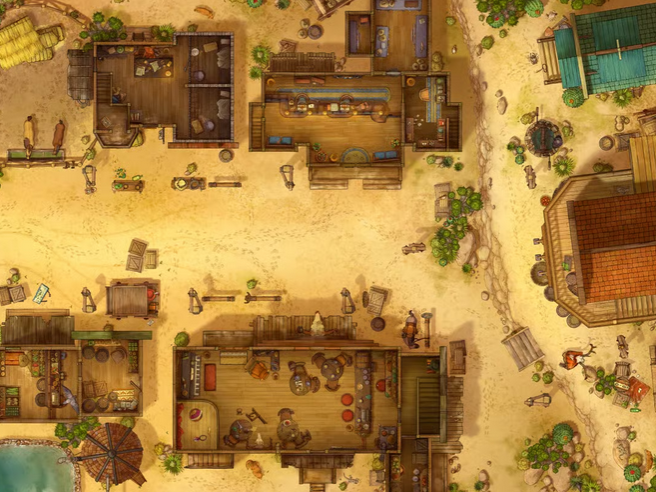
A frontier desert that once scoffed at old gods is now being torn apart by titanic colossi.
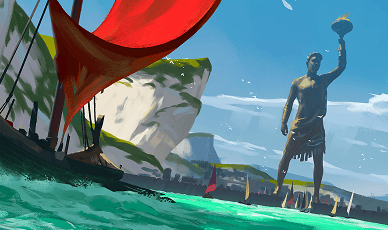
Miners of the industrial Drylands once dismissed tales of the forgotten gods whose lifeblood forms the crystals they now harvest—until a colossal behemoth rose from the earth, devastating the land and shattering daily life. Worse, it’s only the first—more colossi are coming, and a primordial god is weakening with vengeance on its mind. In this frame, players play maverick heroes racing to protect their home from a rising legion of titans.
This frame runs on alternating phases of Hunts and Interludes. When a new colossus rises, the campaign shifts into a Hunt, where players gather intel, save people, and track down the titan. Colossus fights are built as “puzzles”, with each titan made of multiple segmented stat-blocks, and only specific segment chains or “fatal” weak points can end the fight. After each colossus falls, you enter an Interlude for smaller local troubles, with each defeated colossi building up toward a final colossal showdown with Kudamat, the first Doom.
Motherboard
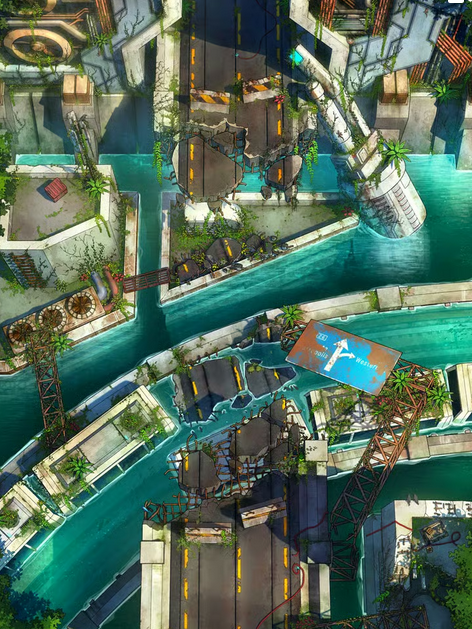
In a fallen world sustained by ancient technology, heroes must leave the safety of their walled cities to stop a spreading machine corruption.
The great cities of the Echo Vale survive by harnessing a technological language that powers their defenses and infrastructure, insulating them from the hostile Wastes beyond. But when a virus infects the machine beasts that work alongside humanity, the balance collapses. In this campaign, players rely on technology to venture into the Wastes, salvage what remains of the old world, and restore stability before the Vale falls.
The campaign frame offers a ton of custom systems and mechanics to sell its technological flavor. Magic is replaced by tech, and the progression centers on personalized modular weapons that evolve through installed augments crafted from salvaged scrap from defeated machine remnants.
If you’re looking for battlemaps to use with your original campaign frames, Czepeku’s map library includes over 8,000 hand-drawn maps and variations spanning eldritch lairs and extraplanar prisons to cozy villages and cities in the sky—making it easy to find the perfect map for your campaign!
Start Your Adventure With a FREE Asset Pack!
Keep up to date with the latest from Czepeku, sign up to our mailing list now and receive an introductory goodie bag of fantasy and sci-fi maps, scene, and tokens.