Written by: Kyle Pointer
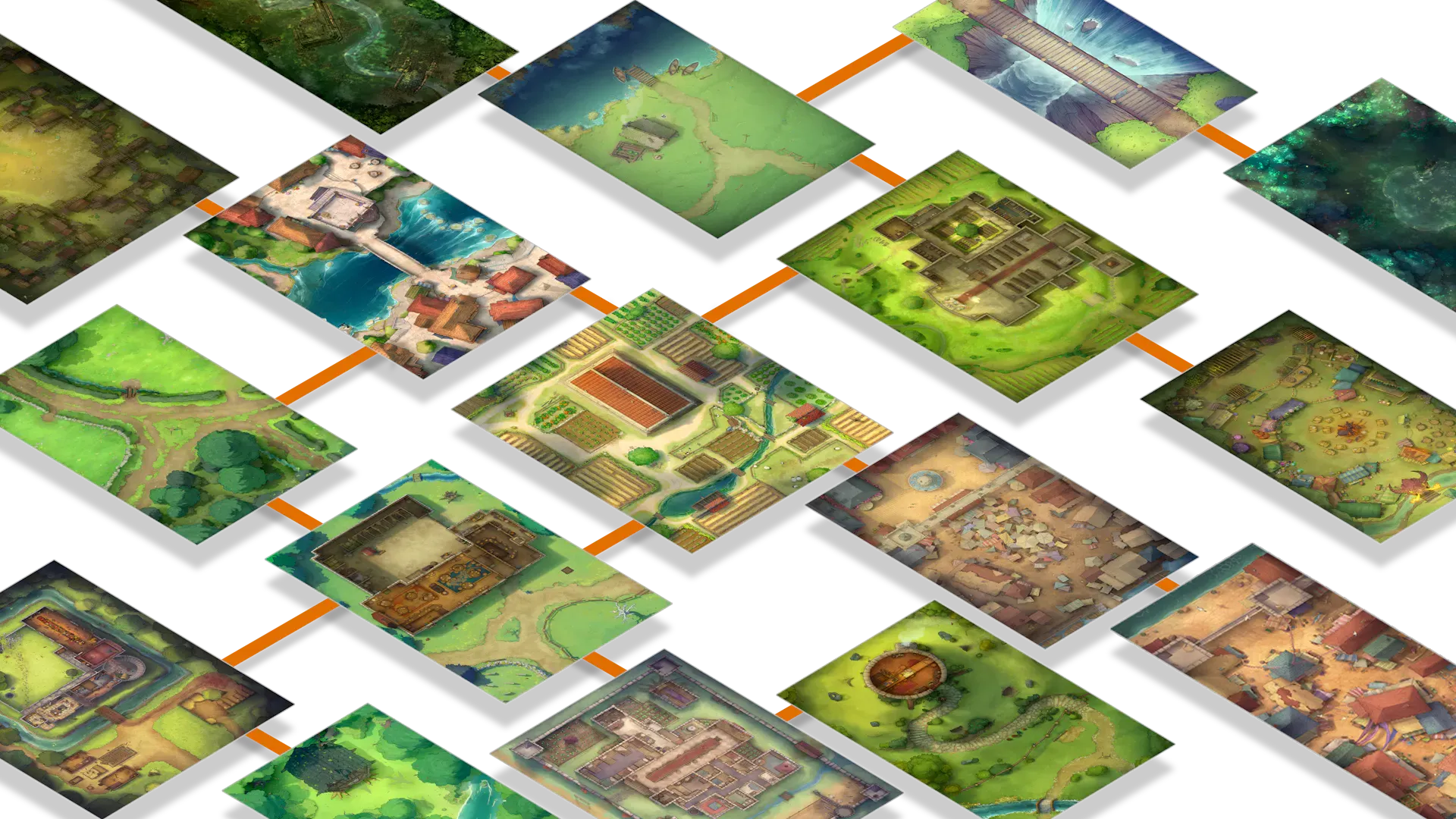
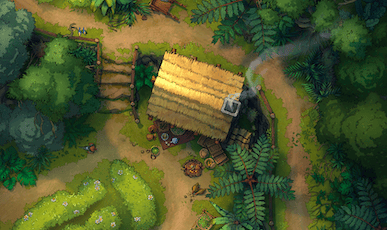
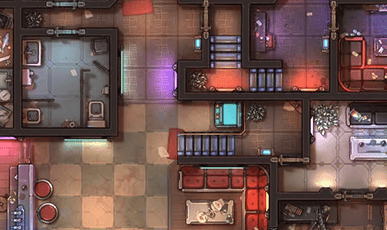
If you're new to tabletop roleplaying games (TTRPGs), you might be wondering: "What is a battlemap?" You'll hear it said many times in your campaigns, but what does it actually mean? Simply put, a battlemap is any map representing a location in a TTRPG used for spatial consistency throughout the play of that game. In other words, a battlemap serves as a common visual reference to eliminate any ambiguity concerning the placement of a game’s characters, environmental features, and any other relevant spaces.
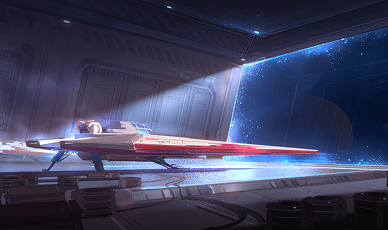
When you play your favourite TTRPG, your adventures can take you to any fantastical place your GM might conceive of. It can certainly be great fun to simply imagine the twinkling stars of an astral void or the gently falling petals of an elven glade in bloom. This is known as “Theatre of the Mind” play, where the environment is created solely by the GM’s description and the players’ imaginations.
But sometimes, a GM wishes to present a clearer and more visceral picture of the environment using a visual aid. This might include hastily scribbled boxes representing the rooms of a dungeon, a painterly masterpiece depicting a lush forest, or anything in between. An explicit, visual rendering of such an environment can give the game a more tangible or tactical feel that Theatre of the Mind can struggle to achieve.
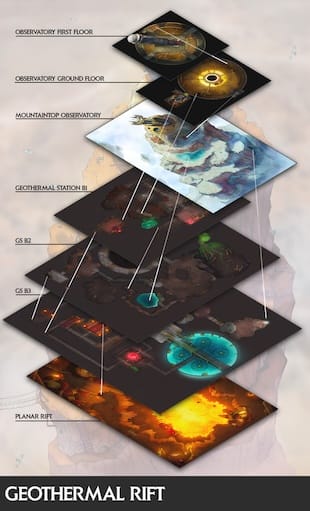
Types of Battlemaps
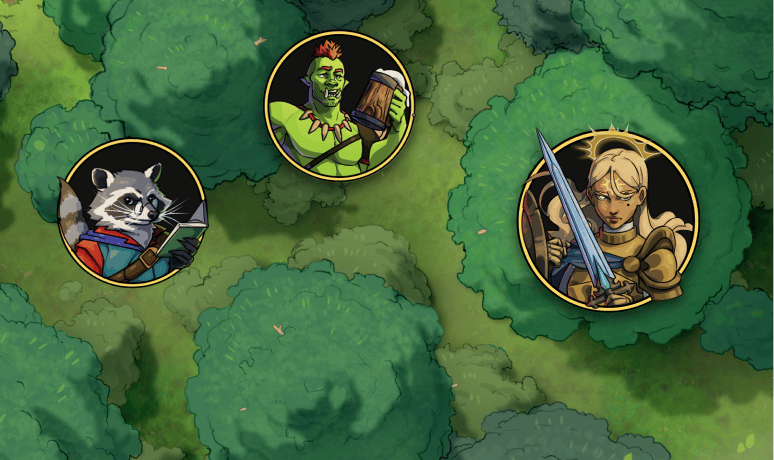
A battlemap can be a physical print or a digital image. It can be sized to accommodate TTRPG miniatures and placed on a playing surface, or it can be rendered small and simply gestured at or drawn on to indicate moments in play. The type of battlemap and how it is used are ultimately up to those playing the game, but at the end of the day, it is simply a tool that can be leveraged to improve the experience of everyone in the group.
When choosing to use a battlemap that is meant to accommodate TTRPG miniatures, there are two options with which you may be presented: “gridded” or “gridless” maps. As the names suggest, these indicate whether the map has a grid overlaid to mark game “spaces,” as dictated by the rules of the RPG system your group is playing. The most common convention for gridded maps is the 5-foot grid, which is used by Dungeons and Dragons, Pathfinder, and other popular systems. However, be aware that sometimes, for much larger maps–those representing an entire sprawling dungeon, for instance–use a 10-foot grid simply for size concerns.
Conversely, gridless maps have no grid laid out over them. Some prefer gridless maps for deeper immersion into their game since there is only the image of the environment without any rules-dictated markings in the way. Gridless maps also have the added benefit of being freely resizable without distorting a strictly-defined grid. Furthermore, some TTRPG systems allow for free movement in any direction, meaning that a grid isn’t necessary at all.
When choosing whether to bring a battle map into your game or what type it should be, always remember that its purpose should be to improve the game experience for everyone involved, including the GM!